
Barbed Wire Fence Installation and Repair Services
A loose or damaged fence can leave a pasture boundary uncertain and create another job that cannot wait forever. Snow Lawn Care & Fencing provides barbed wire fence installation and repair for landowners who need a practical fence line for livestock, acreage, or clearly defined property limits.
Repair work starts with the cause of the failure instead of the visible break alone. Call (918) 470-1792 to discuss the condition of your fence and the result you need.
Paul Snow Brings 28 Years of Practical Fence Experience
I have been doing fencing work since 1998. That experience matters most when a property owner is deciding what can be repaired and what has reached the point of replacement. I do not judge a fence by one loose strand. I look at where the pull is going, what is supporting the line, and whether the existing material can still do its job.
Snow Lawn Care & Fencing serves residential and commercial property needs from Meeker, OK. Barbed wire work often involves longer runs and different priorities than a yard fence. The purpose may be livestock control, an acreage boundary, or separation between working areas. I keep the recommendation tied to that purpose and to the condition visible on the property.
Loose Wire and Weak Corners Can Affect the Entire Fence Line
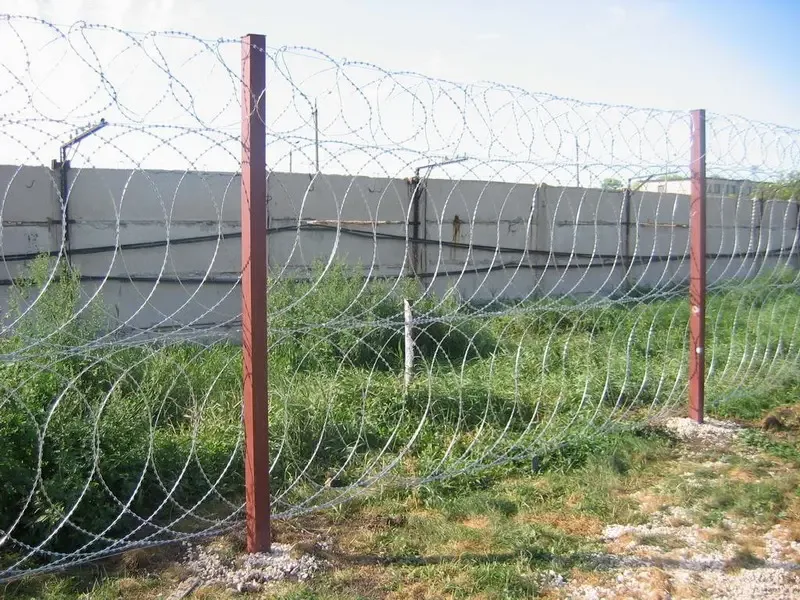
One broken strand may point to a larger problem. A leaning corner, loose brace, damaged post, fallen limb, soil movement, or pressure from livestock can reduce tension beyond the spot where the damage first appeared. Waiting may allow the opening to grow. Livestock can test the weak area, loose wire can drop into grass, and nearby posts take more strain. Tightening the wire without checking its supports may only move the problem elsewhere.
The right response depends on what failed. Some fences need a focused repair. Others have brittle wire, repeated patches, or unstable supports across a longer run. I look at the fence as a connected system before recommending the sensible scope.
Barbed Wire Fence Work for Pastures, Acreage, and Boundaries
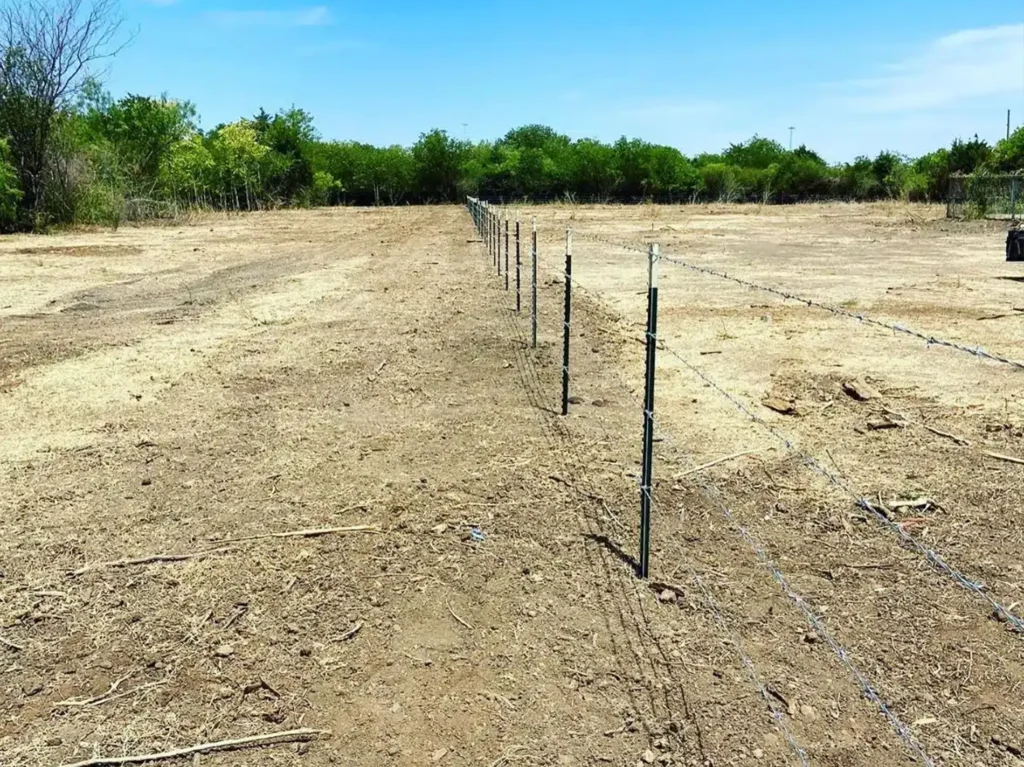
The scope should match the land and its use. Our farm fencing services focus on building a workable new line or restoring a damaged one without treating every property like the same project.
New Barbed Wire Fence Installation
A new line begins with its purpose, route, length, corners, access points, and changes in grade. Those details guide the layout and help define the posts, supports, wire configuration, and tension required. Good planning also reduces avoidable changes once work has started across open land or an active pasture area.
Repair for Loose or Broken Wire
Barbed wire fence repair may involve more than joining a broken section. The surrounding posts, braces, attachments, alignment, and remaining wire condition need attention too. I identify where the failure started and define a repair scope meant to restore useful tension without overlooking damage that can affect the run again.
Corner, End, and Line Post Evaluation
Corners and ends receive the pull created by a tensioned fence line. If those supports shift, straight sections can sag even when the wire is not broken. Before tightening a run, I check movement, leaning components, damaged connections, and post condition so the proposed work addresses the supporting structure first.
Fence Line Tension and Alignment
Wire needs enough tension to serve its purpose without placing unnecessary strain on weak posts or aging material. I look along the full run for low strands, uneven spacing, sharp direction changes, and splices. That inspection helps separate a correctable tension problem from wire that should no longer be stretched.
Why Choose Snow Lawn Care & Fencing for Barbed Wire Work
A farm fence installation should begin with a clear explanation of the proposed work. I separate the line into the parts that control its performance: route, ends, corners, straight runs, grade changes, access, and damage. You can then understand why a repair is limited to one area or why a longer replacement is being discussed.
I also keep installation and repair decisions connected to how the property is used. Livestock pressure, mowing access, vegetation, gates nearby, and future work along the boundary can all affect the practical layout. You receive a scope based on the conditions I can see and the outcome you describe, not a generic recommendation built around acreage alone.
How We Define and Complete the Fence Work
Walk the Proposed or Existing Fence Line
I begin by reviewing the route or damaged run with you. The discussion covers the fence purpose, approximate length, corners, access, visible failures, nearby obstacles, and any areas that need special attention before planning begins and a scope can be set.
Decide What Should Be Installed or Repaired
The next step separates reusable sections from parts that need correction or replacement. For new livestock fence installation, the layout and animal type guide the discussion. For repairs, the condition of the wire and supports controls the recommendation for that run.
Complete the Agreed Scope and Review the Line
My crew performs the work described in the agreed scope. Once the work is complete, I review the relevant run, visible connections, alignment, and access areas with you so you can compare the completed fence with what was discussed beforehand.
Discuss Your Barbed Wire Fence With Paul
If wire is down, posts are leaning, or a new boundary needs to be planned, start with the condition of the property. Call Snow Lawn Care & Fencing at (918) 470-1792. I will discuss the fence purpose, visible problems, access, and the next practical step for installation or repair.
Frequently Asked Questions
How Much Does Barbed Wire Fence Installation Cost?
Cost depends on total length, terrain, corners, access, wire configuration, post requirements, removal needs, and repair conditions. A site-specific scope is needed for useful pricing.
How Many Strands of Barbed Wire Does a Fence Need?
Strand count depends on the animals, fence purpose, height, spacing, and existing conditions. The configuration and use should be selected after those needs are understood.
Can A Loose Barbed Wire Fence be Tightened?
Loose wire can sometimes be tightened when the wire and supporting posts remain sound. Weak corners, corrosion, broken attachments, or repeated patches may require broader repair.
Is Barbed Wire Suitable for Horses?
Barbed wire is not recommended for horses because contact can cause injury. A different fence type should be considered when the enclosure is intended for horses.
What Should I Provide Before Requesting Fence Work?
Share the fence purpose, approximate length, animal type, visible damage, access conditions, and known boundary or utility concerns. Photos can help explain the initial condition.