Shrub Trimming and Removal Services
I will shape shrubs and hedges, clear unwanted plants, and leave the work area orderly. Addressing the problem now can restore access and visibility before thick growth takes over more of the bed.
Contact us to discuss what needs attention and what may be better removed.
Why Choose Snow Lawn Care & Fencing for Shrub Work
I have been handling shrub work since 1998. I understand the common problems shrubs create for residential and commercial properties in Meeker, OK. Overgrown plants can block windows, narrow walkways, interfere with mowing, crowd fences, and make entrances difficult to use.
My experience helps me determine whether a shrub needs careful shaping, significant reduction, or complete removal. I do not recommend the same solution for every plant. I consider its condition, location, surrounding property features, and what you want the area to look like afterward.
Before work begins, we agree on the height, clearance, shape, or removal scope. You know what will be done and why it makes sense for your property. That combination of local experience, practical judgment, and clear communication is what Snow Lawn Care & Fencing brings to every shrub project.
When a Shrub Needs More Than Another Quick Cut
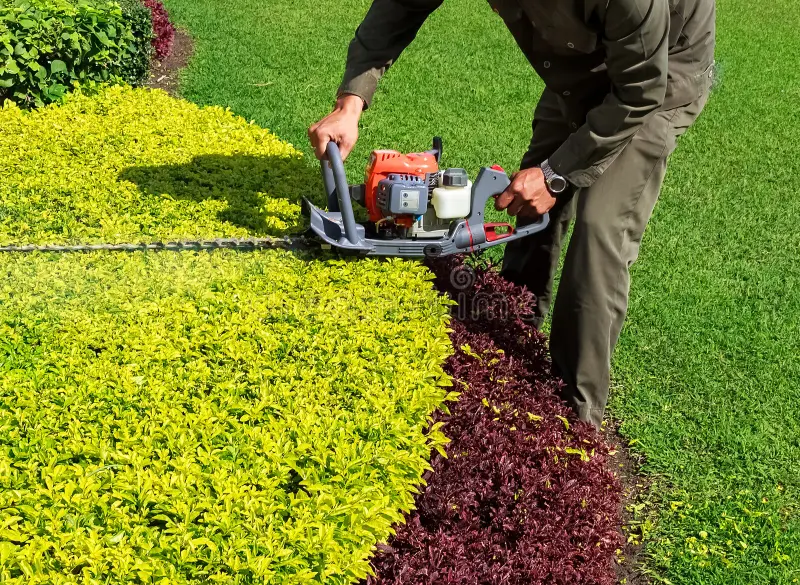
An overgrown shrub is not always a removal job. If the plant remains in a workable location and has enough healthy growth, careful cutting may bring it back to a manageable size. Removal can make more sense when a shrub is dead, badly placed, repeatedly blocks access, crowds another feature, or no longer fits your plans.
Waiting can make the decision harder. Branches become thicker, the plant spreads farther, and reaching its interior requires more work. I look at the shrub’s size, condition, placement, and the result you want before recommending a direction. This prevents a simple shaping job from becoming unnecessary removal. It also avoids repeatedly cutting back a plant that will continue causing the same problem.
Our Services
Shrub Work Matched to the Problem on Your Property
The right scope depends on how much growth is present and what the shrub is affecting. We handle focused maintenance, corrective cutting, hedge shaping, and removal when keeping the plant no longer makes practical sense.
Routine Bush and Shrub Maintenance
Regular trimming helps keep growth from spilling over borders, covering windows, or narrowing paths. When trimming bushes and shrubs, we work toward a cleaner outline while considering the plant’s form. The goal is controlled growth and a maintained appearance without cutting every plant into the same shape on your property.
Correcting Heavy and Uneven Growth
Plants often need more than a quick pass around the outside. Trimming overgrown shrubs may involve reducing long branches, opening crowded areas, and restoring clearance near structures or walkways. We assess how far the plant can be cut back before deciding whether continued maintenance or removal is the better option.
Hedge Shaping and Clearance
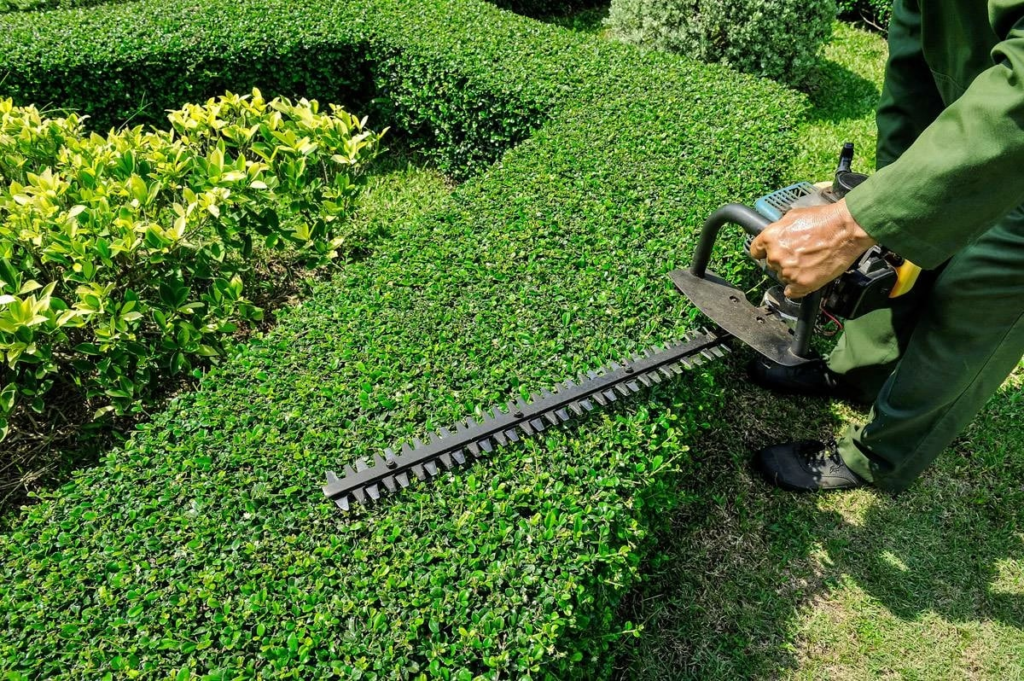
Long hedge rows can become uneven, wide, and difficult to manage when growth goes unchecked. Our approach to trimming hedges and shrubs focuses on restoring clearance and a more consistent line. We also clear the resulting cuttings from the work area so the improvement is visible when work is done.
Clearing Unwanted or Poorly Placed Plants
Some plants have outgrown the space, declined beyond a useful appearance, or stand where another project is planned. The removal of shrubs clears the plant and addresses the job according to its size and site conditions. We discuss access, cleanup expectations, and the intended use of the cleared area beforehand.
How I Decide What Should Stay and What Should Be Removed
I’m Paul Snow, founder of Snow Lawn Care & Fencing. After 28 years of hands-on work, I’ve learned that the most important part of shrub work happens before the first cut. I consider where the plant is growing, what it blocks, how much usable growth remains, and what you want the area to do afterward.
The trimming of shrubs should solve a real problem. That may mean opening a walkway, uncovering part of the home, bringing a hedge back into proportion, or making upkeep easier. I do not treat every plant as if it needs the same shape or the same amount removed. If a shrub is likely to keep causing trouble in that location, I will explain why removal may be more practical.
Our Services
How I Handle Shrub Trimming and Removal
A good result begins with an agreed scope. Our process keeps the decision clear, accounts for surrounding property features, and makes sure the work addresses your original concern.
Inspection of the Plants and Surrounding Area
We begin by looking at the number, size, condition, and location of the plants. You can identify blocked windows, narrow paths, uneven growth, or shrubs you no longer want. We also note nearby fences, beds, utilities, and structures that may affect access or the planned work.
Confirmation of the Right Scope
Next, we explain which plants appear suitable for maintenance, which may need heavier reduction, and which are reasonable removal candidates. We confirm the desired height, clearance, and general shape where applicable. Underground utility considerations must be addressed before removal work that requires disturbing the ground.
Completion of the Agreed Work
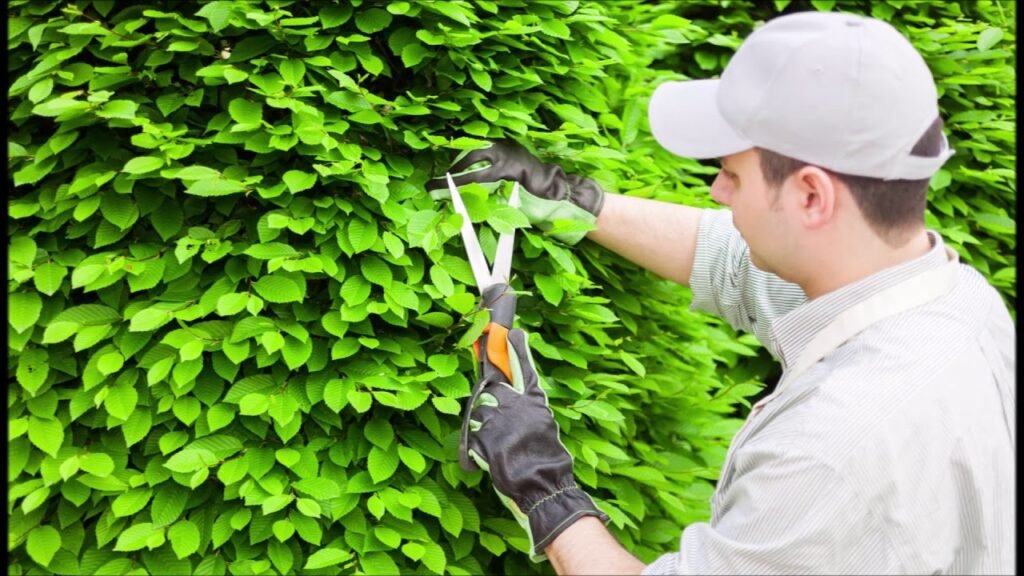
We perform the agreed cutting, shaping, or removal while paying attention to nearby lawn areas and property features. Shrub care is different from elevated or large limb work. If part of the requested project falls under tree service, we identify that distinction before expanding the scope.
Clearing the Work Area
Cut branches and loose debris can hide the improvement and leave paths difficult to use. We gather material created by our work and review the area against the agreed goal. If another step is needed before replanting or changing the bed, you will know before planning that project.
The Right Time to Cut Back Your Shrubs
There is no single calendar date that fits every shrub. The plant type, flowering time, current condition, and amount of growth all matter. Spring-flowering varieties are generally pruned after their flowers fade because earlier cutting can remove developing blooms.
That makes trimming shrubs in spring a plant-specific decision rather than an automatic cutback of everything in the bed. Light clearance work can also differ from a major size reduction.
When trimming shrubs in summer, heat, active growth, and plant condition should be considered before removing a large amount. Trimming shrubs in fall also requires care because some spring bloomers have already formed buds for the following season.
Dead, damaged, obstructive, or unwanted growth may create a more immediate reason to act. We assess the plant and your goal before discussing a practical time and scope.
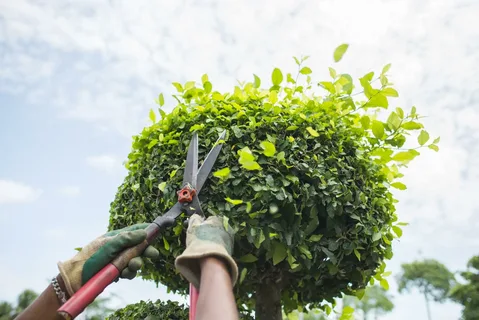
Clear Expectations Before the First Cut
Property work is easier when expectations are specific. We do not assume that “cut it back” means the same thing to every customer. You may want a neat outline, window clearance, a lower hedge, access to a gate, or an open bed for future landscaping. We identify that outcome before making major cuts.
We also avoid making unsupported claims about plant health. If a condition requires specialized diagnosis, we will not pretend that a basic trim answers it. Our role is to provide clear trimming and removal work based on the visible condition, accessible scope, and result you approve. This keeps communication grounded and reduces avoidable surprises.
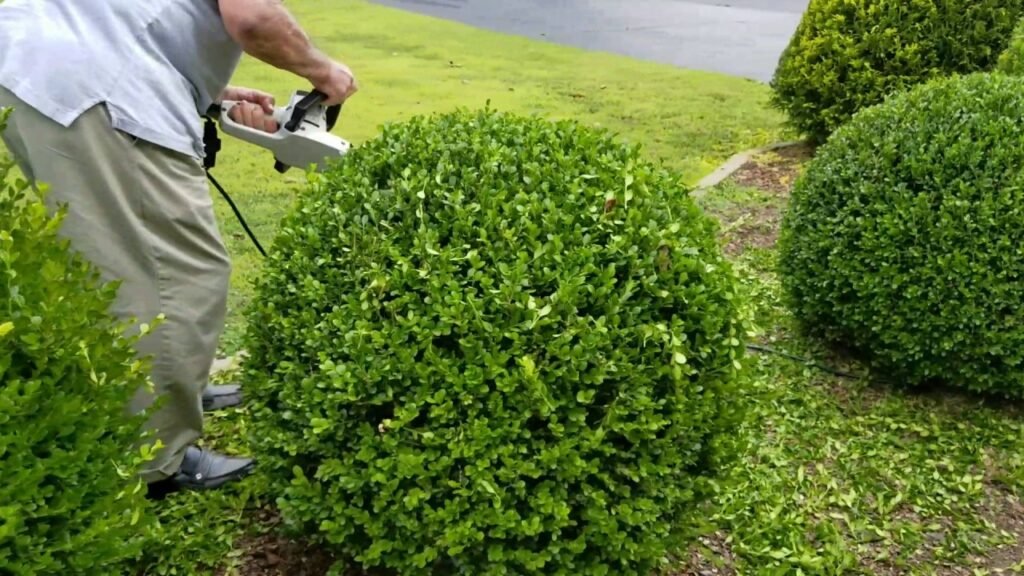
Get Unwanted Shrub Growth Under Control
If shrubs are blocking access, covering property features, or taking over a bed, let’s determine what should be shaped and what should go. Contact Snow Lawn Care & Fencing to discuss your shrub project in Meeker, OK. Call (918) 470-1792 to explain the problem and ask about scheduling service.
Faqs
Frequently Asked Questions
How Can I Tell When My Shrubs Need Professional Attention?
Shrubs usually need trimming when they block windows or paths, look uneven, crowd nearby plants, or have growth extending well beyond their intended space today.
Should an Overgrown Shrub Be Cut Back or Completely Removed?
Removal may be more practical when a shrub is dead, badly located, repeatedly obstructive, or incompatible with planned landscaping. The plant and site still require inspection.
What Is the Best Time of Year to Maintain Shrubs?
Timing depends on the species and bloom cycle. Spring flowering shrubs are generally pruned after flowering, while other plants may have different suitable maintenance windows.
What Affects the Cost of Professional Shrub Work?
Cost depends on the number, size, density, access, desired reduction, cleanup needs, and whether plants are being shaped or removed. An onsite review clarifies scope.
Is Shrub Service the Same as Tree Trimming?
No. Shrub work covers smaller woody plants and hedges. Larger tree limbs, elevated cutting, and full tree removal should be evaluated under the appropriate tree service.